

Understanding Gemstone Quality Factors
Gemstones have captivated people for centuries, not only for their aesthetic value but also for their rarity and unique properties. As consumers begin their journey into the world of gemstones, understanding the quality factors that define a gemstone’s value is crucial. At https://www.mygemspot.com, buyers are equipped with vital insights to make informed decisions during their gemstone shopping experience.
Key Characteristics of Gemstones
When selecting gemstones, there are four primary characteristics—often called the Four Cs—that are essential to consider: Color, Clarity, Cut, and Carat weight. These factors not only determine a gemstone’s beauty but also its value in the marketplace.
- Color: The most noticeable attribute, color varies widely across different gemstones. For example, sapphires are famously known for their deep blue hues, while emeralds are celebrated for their rich green shades. A gemstone that displays a vivid color, even tone, and saturation can command a higher price.
- Clarity: Clarity refers to the presence of inclusions or blemishes within the stone. The fewer inclusions a gemstone has, the more valuable it becomes. High-quality stones like diamonds are graded on a scale from Flawless (no inclusions visible under 10x magnification) to Included (inclusions visible to the naked eye).
- Cut: This refers to how a gemstone has been shaped and polished. A well-cut stone maximizes its brilliance and sparkle. Poorly cut stones may look dull even if they possess quality color and clarity.
- Carat: The weight of the gemstone is measured in carats. Larger gemstones are often more valuable, but this is also dependent on the other Cs. For instance, a small but high-quality emerald can exceed the value of a larger but poorly colored or clear stone.
Importance of Authenticity in Gemstone Selection
In an industry with many players, authenticity is paramount. Many shoppers are concerned about buying imitation stones or low-quality gems masquerading as high-end products. To ensure authenticity in gemstones, buyers should seek reputable sources that provide a certificate of authenticity, which can prevent regrets after a purchase.
Evaluating Color, Clarity, Cut, and Carat
While understanding the Four Cs is essential, proper evaluation requires consulting with trained professionals or gemologists. Many reputable sellers provide an opportunity to see the gemstone with the aid of magnification tools or under different lighting conditions. This allows potential buyers to make informed decisions based on firsthand examination of the stones they are considering.
Identifying Reliable Gemstone Merchants
Choosing the right merchant can make all the difference in your gemstone-buying experience. It’s important to find merchants who have built a reputation for quality and reliability. Many consumers turn to platforms like My Gem Spot to find curated directories of trusted merchants.
Importance of Merchant Reputation
A merchant’s reputation reflects their reliability and the quality of their gemstones. Consumers should look for merchants with positive reviews and testimonials from previous customers. Engaging with the community through forums or social media can also yield insights into merchant practices.
How to Research Merchant Backgrounds
Thorough research can reveal a lot about potential merchants. Look for their history in the industry, as well as any accreditations or memberships in professional organizations. These credentials often demonstrate a commitment to ethical practices and accountability.
Recognizing Red Flags in Merchant Practices
Shoppers should be aware of warning signs that may indicate an unreliable merchant. These can include lack of transparency in pricing, refusal to provide certifications, or consistent negative reviews. Ensuring that the merchant has a clear return policy is also crucial for peace of mind.
Shopping Experience Insights
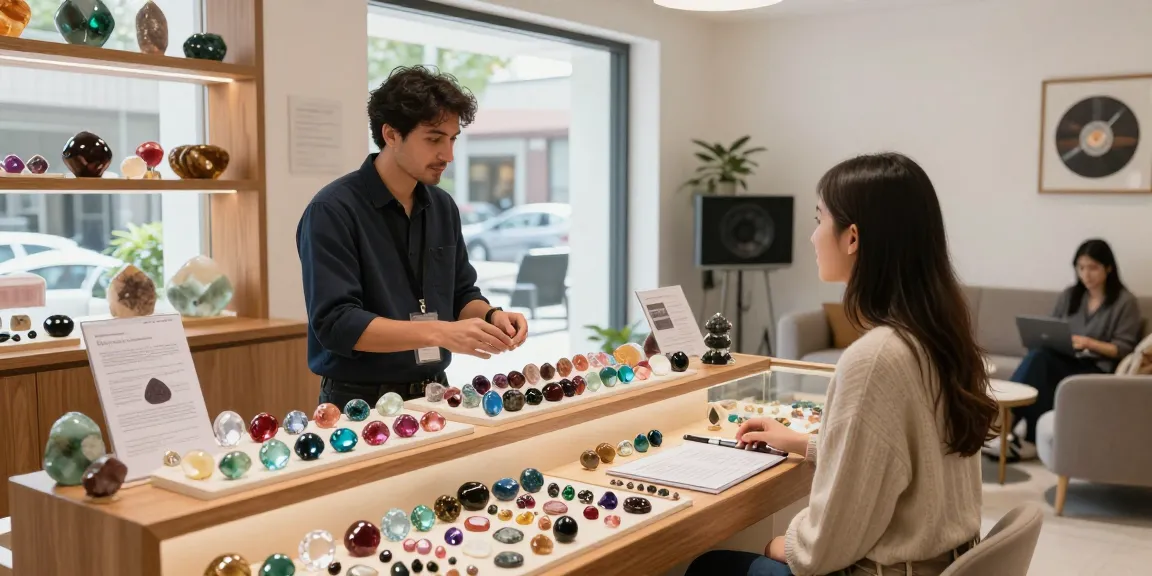
The shopping experience can greatly influence your decision-making and overall satisfaction. A comfortable and knowledgeable environment enhances the likelihood of a successful purchase.
Creating a Comfortable Buying Environment
Whether shopping in-person or online, a comfortable buying environment is key. This includes having access to an inviting atmosphere where customers can explore various options without feeling rushed.
Engaging with Knowledgeable Sales Staff
Sales professionals well-versed in gemstones can greatly enhance the buying experience. They can answer questions, provide insights about various gems, and help consumers understand the different options available. Engaging with knowledgeable staff helps build trust and may result in a more satisfying purchase.
Utilizing Online and Offline Resources Effectively
The rise of digital platforms has made information about gemstones more accessible than ever. Buyers can utilize online resources to educate themselves before making purchases, while also seeking local jewelers for hands-on experiences.
The Role of Certification in Gemstone Transactions
Certification is a vital aspect of the gemstone market. It serves as proof of a gemstone’s quality and origin, and it can significantly impact a buyer’s confidence.
Understanding Gemstone Certifications and Grades
Several organizations provide gemstone certifications, grading stones based on the Four Cs. Understanding these certifications allows buyers to make informed decisions, knowing that their investment is protected.
How Certifications Impact Value and Trust
Well-certified gemstones typically have a higher market value due to the assurance of quality and authenticity they represent. Trustworthy certifications bolster a buyer’s confidence, allowing for a more secure transaction during the purchase.
Finding Accredited Labs for Certification
When seeking certification, it is essential to find reputable and accredited laboratories. These labs follow strict standards and provide unbiased evaluations of gemstones, ensuring a fair assessment of their quality.
Future Trends in the Gemstone Market
The gemstone market is continuously evolving, driven by technological advancements and shifting consumer preferences. Staying informed about these trends can provide buyers with a competitive edge.
Emerging Technologies in Gemstone Evaluation
New technologies, such as artificial intelligence and advanced imaging techniques, are changing how gemstones are evaluated. These innovations can provide more accurate assessments of quality and authenticity, making it easier for consumers to make informed decisions.
Ethical Sourcing and Sustainability Considerations
As consumers become more socially aware, ethical sourcing has become a significant trend in the gemstone market. Many buyers are now prioritizing gemstones that are sourced responsibly and sustainably, aligning their purchases with their values.
Predicting Consumer Preferences for 2026
As the market continues to adapt, trends will likely shift towards personalized shopping experiences and gem customization. Anticipating these changes can help retailers and consumers alike align their expectations with emerging market dynamics.
What are the key factors to consider when buying gemstones?
When purchasing gemstones, key factors include understanding the Four Cs (color, clarity, cut, carat), the reputation of the merchant, and the presence of certification. Each factor contributes to the overall value and satisfaction of the purchase.
How can I tell if a gemstone merchant is reliable?
Checking customer reviews, industry credentials, and the transparency of their practices can help gauge a merchant’s reliability. Engaging with previous customers through online forums can provide additional insights.
What certifications should I look for in gemstones?
Seek certifications that are recognized within the industry, such as those from the Gemological Institute of America (GIA) or the International Gemological Institute (IGI). These organizations are known for their rigorous grading standards.
How does gemstone quality affect its market value?
High-quality gemstones typically command higher prices due to their rarity and visual appeal. Factors like clarity and color specifications greatly influence market value, emphasizing the importance of quality assessments.
What are the latest trends in the gemstone industry?
Current trends include a focus on ethical sourcing, advancements in evaluation technology, and an increasing demand for personalized experiences in gemstone shopping. Keeping abreast of these trends can enhance buyer satisfaction.
